
Memorizing the Quran at home is a goal many Muslims dream of, yet many feel unsure about where to start. Some think Hifz is only possible in a madrasa or under strict supervision. Others worry about lack of discipline, time, or guidance. The truth is simple: with the right system, support, and mindset, memorizing the Quran at home is not only possible but very effective. By following a structured online Hifz program, students receive expert guidance, accountability, and a clear pathway that makes progress easier to maintain. This guide breaks the process into clear, realistic steps that anyone can follow, regardless of age or schedule. Is It Really Possible to Memorize the Quran at Home? This is one of the most common questions—and the answer is yes. Many people across the world have memorized the Quran entirely from home. The key difference is not location, but consistency and method. At home, learners benefit from a calm environment, flexible timing, and personal comfort. When distractions are controlled and routines are respected, home memorization can be even more productive than classroom-based learning. What matters most is having a clear plan and sticking to it. Setting the Right Intention and Mindset Before starting memorization, intention matters deeply. Memorizing the Quran is not a race. It is a long-term commitment that requires patience and sincerity. A strong mindset helps with: ● Staying consistent on difficult days ● Accepting slow progress without frustration ● Building a genuine connection with the Quran Why Intention Impacts Memorization When memorization is tied to sincerity rather than pressure, the mind remains calm. A calm mind absorbs faster. Many learners fail not due to lack of ability, but due to mental stress and unrealistic expectations. Start with a clear intention: steady progress is better than fast burnout. Creating a Quran Memorization Routine at Home A routine gives structure to learning. Without it, memorization becomes random and weak. At home, the best routine is one that fits naturally into daily life. Short, focused sessions work better than long, exhausting ones. Most successful home learners follow this pattern: ● Fixed time every day ● Same Mushaf (Quran copy) always ● Quiet, distraction-free space Ideal Daily Time for Memorization Early morning is often the best time. The mind is fresh, and distractions are minimal. However, consistency matters more than timing. Choose a time you can maintain daily. How Much Quran Should You Memorize Daily? Many learners fail because they set unrealistic targets. Memorizing too much at once leads to weak retention. At home, slow and strong memorization is the goal. Level Daily New Memorization Daily Revision Beginner 3–5 lines ½ page Intermediate 5–7 lines 1 page Advanced ½ page 2–3 pages This balance ensures progress without overloading the memory. The Importance of Revision at Home Revision is often ignored, yet it is the backbone of memorization. Without revision, memorized verses fade quickly. At home, revision should be: ● Daily ● Loud (recited aloud) ● Structured A simple rule many use: new memorization should never exceed revision. Simple Revision Formula For every new portion memorized: ● Revise yesterday’s lesson ● Revise one older portion ● Revise one full Surah weekly This layered revision strengthens long-term memory. Using Audio and Listening Techniques Listening plays a major role in memorization at home, especially for those without a live teacher. Repeated listening helps with: ● Correct pronunciation ● Natural flow of verses ● Faster recall Choose one reciter and stick with them. Consistency in voice helps the brain recognize patterns and rhythm. Passive listening—while resting or before sleep—also reinforces memory without effort. Can You Memorize Without a Teacher? Another common question is whether a teacher is necessary. While it is possible to memorize alone, guidance greatly improves accuracy and discipline. A teacher helps with: ● Tajweed correction ● Accountability ● Motivation during slow phases Online Quran teachers have made home memorization more structured and reliable than ever. Even two or three sessions per week can make a significant difference. Common Mistakes People Make at Home Many sincere learners struggle due to avoidable mistakes. Being aware of them early saves time and frustration. Common mistakes include: ● Memorizing without revision ● Changing Mushaf frequently ● Skipping days and “catching up” later ● Ignoring Tajweed According to Quran Sheikh, home memorization succeeds when discipline replaces motivation. Motivation comes and goes; systems stay. How to Stay Consistent Long-Term Consistency is the hardest part of memorizing the Quran at home. Life gets busy, energy drops, and progress feels slow. What helps most is building Quran memorization into daily identity, not treating it as an extra task. Helpful habits include: ● Fixed daily Quran time, even if short ● Tracking progress weekly ● Celebrating small milestones ● Avoiding comparison with others Consistency does not mean perfection. Missing a day is not failure; quitting is. Understanding While Memorizing Memorization becomes easier when meaning is understood. Even basic understanding creates emotional connection, which strengthens memory. You do not need deep tafsir daily. Simple explanations help: ● Knowing the topic of the Surah ● Understanding repeated words ● Knowing when Allah is giving hope or warning This approach turns memorization into reflection, not repetition alone. Final Words Memorizing the Quran at home is not only possible—it is practical, flexible, and deeply rewarding. With the right intention, a clear routine, manageable targets, strong revision, and consistent listening, anyone can build a solid memorization journey from home. The key is patience. Progress may feel slow, but steady memorization builds lasting results. Whether you are starting fresh or restarting after a break, what matters is showing up daily for the Quran.


How To Memorize Quran At Home?

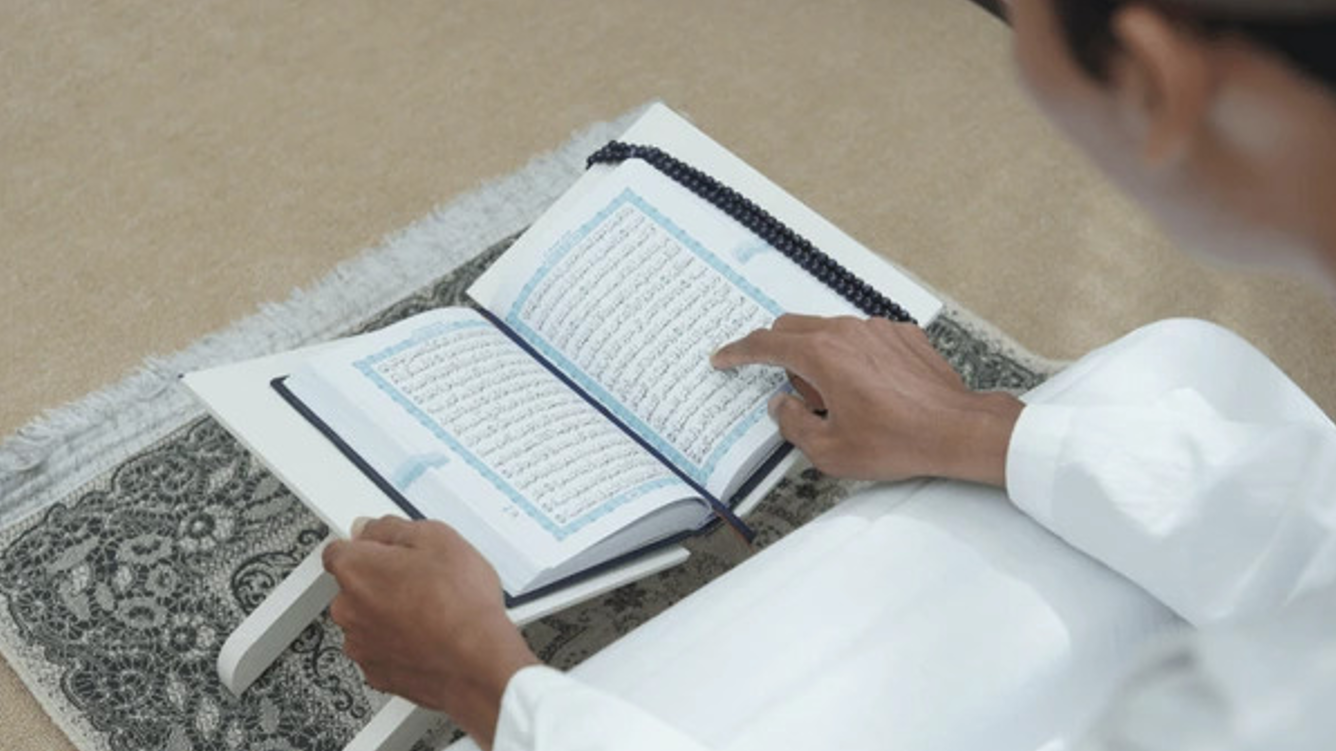
Memorizing the Quran at home is a goal many Muslims dream of, yet many feel unsure about where to start. Some think Hifz is only possible in a madrasa or under strict supervision. Others worry about lack of discipline, time, or guidance.

The truth is simple: with the right system, support, and mindset, memorizing the Quran at home is not only possible but very effective. By following a structured online Hifz program, students receive expert guidance, accountability, and a clear pathway that makes progress easier to maintain. This guide breaks the process into clear, realistic steps that anyone can follow, regardless of age or schedule.

Is It Really Possible to Memorize the Quran at Home?

This is one of the most common questions—and the answer is yes. Many people across the world have memorized the Quran entirely from home. The key difference is not location, but consistency and method.

At home, learners benefit from a calm environment, flexible timing, and personal comfort. When distractions are controlled and routines are respected, home memorization can be even more productive than classroom-based learning. What matters most is having a clear plan and sticking to it.

Setting the Right Intention and Mindset

Before starting memorization, intention matters deeply. Memorizing the Quran is not a race. It is a long-term commitment that requires patience and sincerity.

A strong mindset helps with:

  • Staying consistent on difficult days
  • Accepting slow progress without frustration
  • Building a genuine connection with the Quran

Why Intention Impacts Memorization

When memorization is tied to sincerity rather than pressure, the mind remains calm. A calm mind absorbs faster. Many learners fail not due to lack of ability, but due to mental stress and unrealistic expectations.

Start with a clear intention: steady progress is better than fast burnout.

Creating a Quran Memorization Routine at Home

A routine gives structure to learning. Without it, memorization becomes random and weak.

At home, the best routine is one that fits naturally into daily life. Short, focused sessions work better than long, exhausting ones.

Most successful home learners follow this pattern:

  • Fixed time every day
  • Same Mushaf (Quran copy) always
  • Quiet, distraction-free space

Ideal Daily Time for Memorization

Early morning is often the best time. The mind is fresh, and distractions are minimal. However, consistency matters more than timing. Choose a time you can maintain daily.

How Much Quran Should You Memorize Daily?

Many learners fail because they set unrealistic targets. Memorizing too much at once leads to weak retention.

At home, slow and strong memorization is the goal.

Level Daily New Memorization Daily Revision
Beginner 3–5 lines ½ page
Intermediate 5–7 lines 1 page
Advanced ½ page 2–3 pages

This balance ensures progress without overloading the memory.

The Importance of Revision at Home

Revision is often ignored, yet it is the backbone of memorization. Without revision, memorized verses fade quickly.

At home, revision should be:

  • Daily
  • Loud (recited aloud)
  • Structured

A simple rule many use: new memorization should never exceed revision.

Simple Revision Formula

For every new portion memorized:

  • Revise yesterday’s lesson
  • Revise one older portion
  • Revise one full Surah weekly

This layered revision strengthens long-term memory.

Using Audio and Listening Techniques

Listening plays a major role in memorization at home, especially for those without a live teacher.

Repeated listening helps with:

  • Correct pronunciation
  • Natural flow of verses
  • Faster recall

Choose one reciter and stick with them. Consistency in voice helps the brain recognize patterns and rhythm.

Passive listening—while resting or before sleep—also reinforces memory without effort.

Can You Memorize Without a Teacher?

Another common question is whether a teacher is necessary. While it is possible to memorize alone, guidance greatly improves accuracy and discipline.

A teacher helps with:

  • Tajweed correction
  • Accountability
  • Motivation during slow phases

Online Quran teachers have made home memorization more structured and reliable than ever. Even two or three sessions per week can make a significant difference.

Common Mistakes People Make at Home

Many sincere learners struggle due to avoidable mistakes. Being aware of them early saves time and frustration.

Common mistakes include:

  • Memorizing without revision
  • Changing Mushaf frequently
  • Skipping days and “catching up” later
  • Ignoring Tajweed

According to Quran Sheikh, home memorization succeeds when discipline replaces motivation. Motivation comes and goes; systems stay.

How to Stay Consistent Long-Term

Consistency is the hardest part of memorizing the Quran at home. Life gets busy, energy drops, and progress feels slow.

What helps most is building Quran memorization into daily identity, not treating it as an extra task.

Helpful habits include:

  • Fixed daily Quran time, even if short
  • Tracking progress weekly
  • Celebrating small milestones
  • Avoiding comparison with others

Consistency does not mean perfection. Missing a day is not failure; quitting is.

Understanding While Memorizing

Memorization becomes easier when meaning is understood. Even basic understanding creates emotional connection, which strengthens memory.

You do not need deep tafsir daily. Simple explanations help:

  • Knowing the topic of the Surah
  • Understanding repeated words
  • Knowing when Allah is giving hope or warning

This approach turns memorization into reflection, not repetition alone.

Final Words

Memorizing the Quran at home is not only possible—it is practical, flexible, and deeply rewarding. With the right intention, a clear routine, manageable targets, strong revision, and consistent listening, anyone can build a solid memorization journey from home.

The key is patience. Progress may feel slow, but steady memorization builds lasting results. Whether you are starting fresh or restarting after a break, what matters is showing up daily for the Quran.

 

Similar Posts